
Air vs sea freight from China: which one fits your business?
Speed, cost, shipment size, reliability and environmental impact compared, with practical scenarios for ecommerce, retail and Amazon FBA.
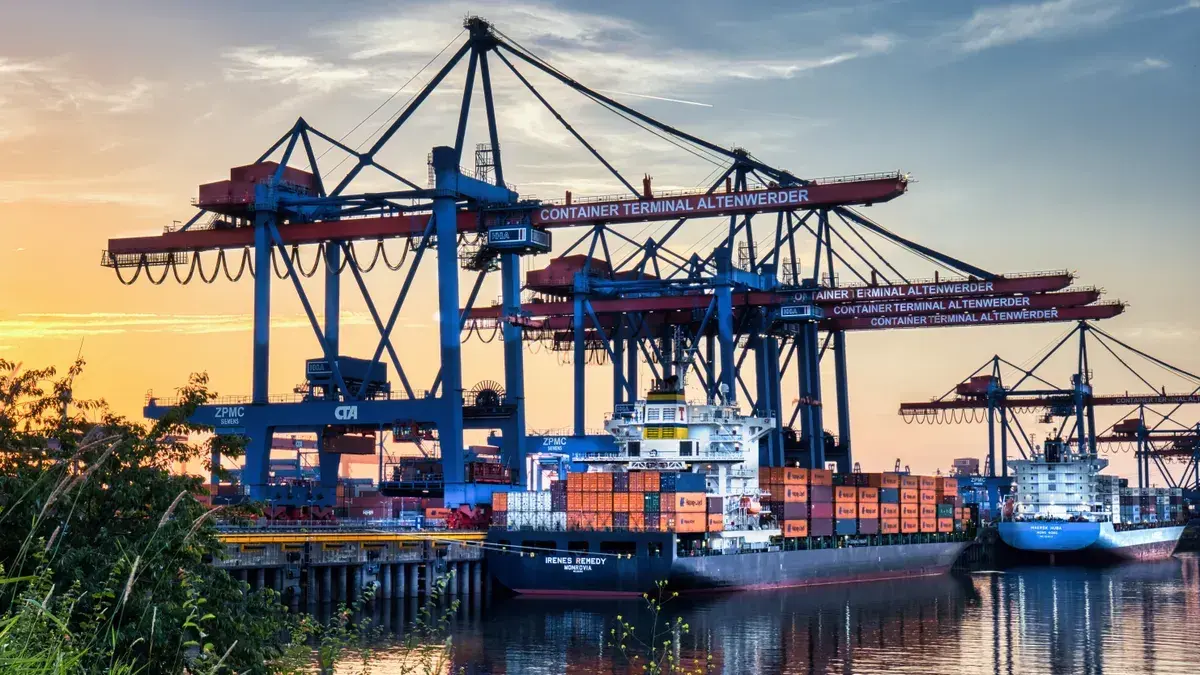
The shipping method you choose from China can make or break your margin. The short version: air is fast and costs more, sea is slow and much cheaper for volume. The right answer depends on how urgent the order is, how big the shipment is and what the goods are worth.
All prices and times below are rough, indicative figures. Rates change with season, demand and route, so always get a current quote.
In short
- Air freight suits urgent shipments, small and high-value items. Roughly 5–12 days door to door, at a much higher cost.
- Sea freight suits large, heavy or non-urgent orders. Roughly 20–45 days, with a lower cost per unit.
- Think about shipment size, urgency, cargo type and budget together, not just one of them.
The key differences
| Factor | Air freight | Sea freight |
|---|---|---|
| Speed | Much faster (about 5–12 days) | Slower (about 25–45 days) |
| Cost | More expensive | Lower cost per unit |
| Cargo | Small, high-value, urgent, fragile | Bulk, heavy, planned |
| Typical use | Time-sensitive restocks and launches | Planned, bulk replenishment |
Transit times (indicative): air freight is about 1–5 days port to port and 4–11 door to door; sea freight is about 14–42 days port to port and 19–50 door to door, longer in peak season.
Cost. Air costs more because you pay for speed, and the gap can be many times the sea rate. Prices rise in busy periods like before the holidays, and many importers book early to lock in space. As a rough comparison, air runs from a few dollars per kg while sea can fall to cents per kg for full containers.
Shipment size. Air works best for small, light packages (up to around 50 kg). Once you pass roughly 100–500 kg, or about 1 cubic meter, sea becomes much cheaper, and if you don't fill a container, LCL (less than container load) lets you share one.
When air freight makes sense
Choose air when you need to restock fast, launch a new item, ship high-value goods or move fragile and time-sensitive products. You pay more, but the goods arrive on schedule, with fewer delays. Beyond the freight itself, expect extra fees such as terminal handling and customs clearance.
When sea freight is the better option
Choose sea for large orders and non-urgent shipments. It's cost-effective per kilogram, handles huge volumes, can carry almost anything, including oversized goods, and has a much smaller carbon footprint per ton shipped. Plan ahead, because schedules can slip.
Reliability, safety and environment
Air is generally more reliable on timing, with fewer schedule changes; sea can face delays and schedule changes. Both have rules to follow. For dangerous goods, air uses a shipper's declaration and handling marks, and sea follows its own cargo documentation and safety standards, so declare everything correctly to avoid problems and fines. Insurance is typically a fraction of a percent of the cargo value, and it differs by mode.
On the environment, sea freight emits far less CO2 per ton-mile than air. If sustainability matters to you, use sea for big shipments.
How to decide
- Cost: sea saves money, air costs more.
- Speed: air for urgent needs and fast-selling or perishable items.
- Cargo: fragile or expensive goods often go by air; heavy or bulky goods by sea.
- Reliability: pick partners with a good on-time record.
- Volume and urgency: air for urgent small loads, sea for large ones.
- Route: consider where the factory is and where the goods are going. Sometimes rail or a mix of modes saves time.
- Paperwork: make sure you have customs forms, a packing list and the certificates required.
Practical scenarios
Small ecommerce shipments (phone cases, jewelry): air lets you restock fast and keep customers happy. Include the shipping address, order date, contact details and a list with SKUs or barcodes, and good customs documents.
Bulk orders for retailers: sea saves money on hundreds or thousands of units. Include a packing slip, order number and certificate of origin, and work with a freight partner who handles customs.
Amazon FBA: Amazon has strict rules for quality, packaging and labels, and a shipment can be rejected if something is missing. Follow the rules, use the right paperwork and packaging, and inspect before you ship.
For US inland destinations, rail from the West Coast can sometimes be faster than shipping directly to the East Coast.
Whatever you choose, check routes and shipping times before booking, because busy periods cause delays and higher prices, and make sure everyone involved communicates clearly. We handle both air and sea shipments with sourcing, quality checks and warehousing, so tell us what you're moving and we'll compare the options.
FAQ
How do I decide between air and sea freight?
Think about your budget, how fast you need the goods and how big the shipment is. Air for urgent or small orders, sea for large, non-urgent ones.
What documents do I need?
A commercial invoice, packing list and bill of lading or air waybill, plus any extra documents customs requires, such as certificates of origin or import licenses.
Can I track my shipment?
You should always ask for tracking on both air and sea freight, so you can check its status at any time.
What is DDP shipping?
Delivered Duty Paid. You pay one price that covers shipping, customs and taxes, so there are fewer surprise fees. Confirm exactly what is included before booking.
Keep reading
 Shipping & customs
How to cut China freight costs without hurting your service
The cheapest carrier is rarely the cheapest shipment. Start with accurate cargo data, consolidation and packaging, then compare total landed cost.
Read article Shipping & customs
Shipping from China to Spain: DDP, customs and delivery, step by step
Plan China-to-Spain shipping as an import operation. What to define before quoting, how DDP compares and how to close each shipment.
Read article Shipping & customs
Shipping from China to Japan: speed, cost and service
Fast transit is not a shipping plan. Choose by receiving date, compare the full route and prepare documents before the cargo leaves.
Read article