
China supplier due diligence: a checklist to verify before you pay
A platform profile is not proof. Verify who the supplier really is, what they can make and how they handle quality before the first order.
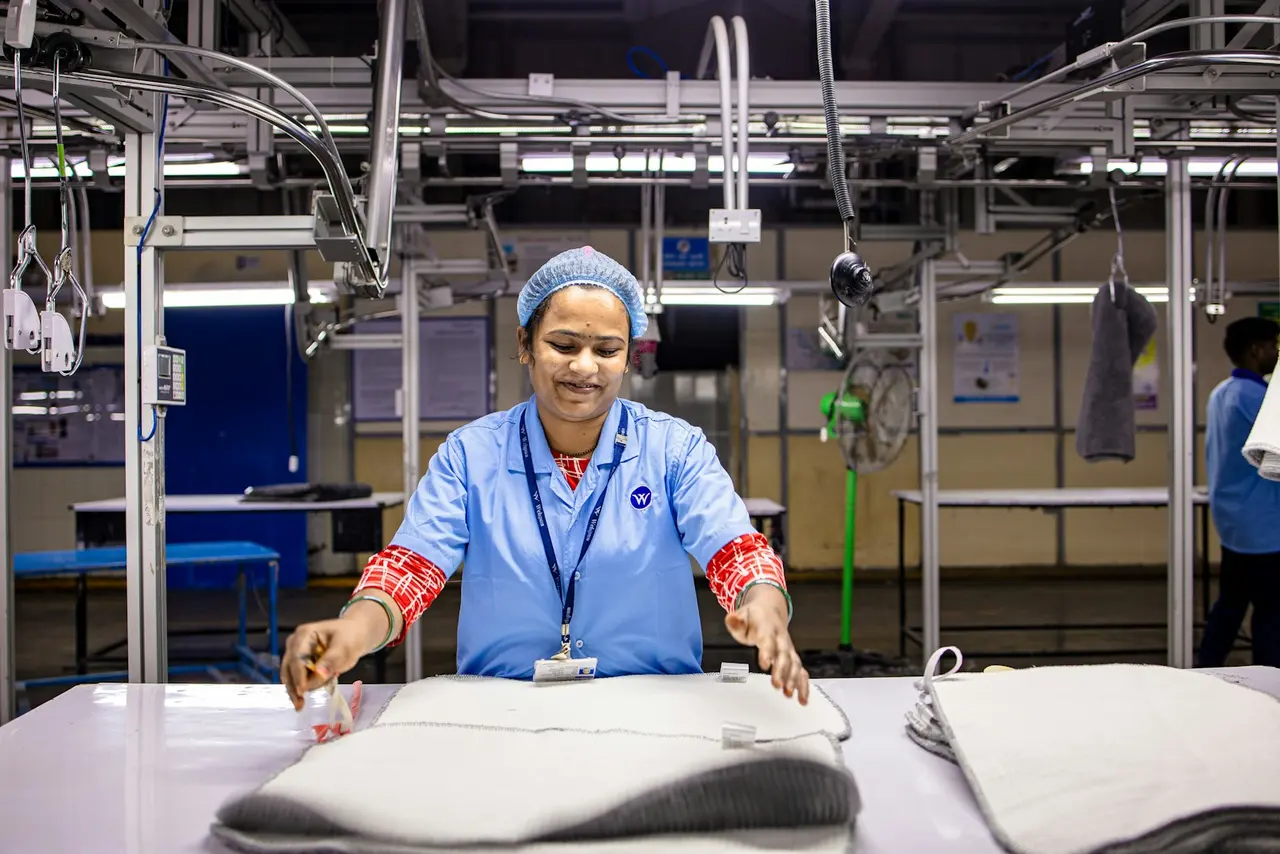
A profile on 1688 or any marketplace only tells you where to start looking. The real question is whether this supplier can make your product, in your quantity, with your quality and on your timeline.
In short
- Use platforms like 1688 to discover suppliers, not as proof they are right for you.
- Verify identity, capability, product evidence, quality process and communication before paying.
- Keep records, and check again when the supplier or the product changes.
Know who you are dealing with
Find out whether the counterpart is the manufacturer, a trading company or an agent. Then identify which entity will sign the contract, issue the invoice, receive the payment, make the goods and answer quality claims. Different roles can be perfectly legitimate, but you need to understand the setup. A factory photo does not prove that the company invoicing you runs that factory.
Keep the company details, contacts, production address and payment beneficiary together, and investigate any difference before sending money. If a supplier changes bank details, confirm through an independent channel you already trust, never just by replying in the same chat.
A layered verification record
- Identity: legal entity, business documents, contact channels, and how you checked they match.
- Product capability: proof for your actual materials, processes, variants and quantities. Separate catalog claims from evidence for your project.
- Production control: which critical work is done in-house or subcontracted, and how the approved spec is kept consistent.
- Quality: sample results, measurement methods, defect handling and whether they let you inspect.
- Reliability: how clear the quote is, lead-time assumptions and how they respond to changes.
Climb the evidence ladder
Begin with documents and written answers, then ask for samples or production evidence. Where the risk justifies it, arrange an independent check or a site visit with a defined scope. Remember what each step can and cannot prove: a good sample does not prove future capacity, and a factory visit does not replace inspection of your order.
Check how old and relevant the evidence is. A certificate for another product, an old video or an unrelated reference may not answer today's question. Ask the supplier to say which product, date, site and process each file shows.
An example decision
A supplier offers a great price and a good sample, but cannot explain a proposed material substitution in the production order. Treat it as a production-control risk. Ask them to confirm the approved material, where they buy it and how changes get approved. Then you can approve with conditions, ask for more proof or walk away.
Likewise, your Spain importer may need documents the supplier has not provided, or a Japan buyer may be blocked by an unresolved drawing revision. Link each open condition to who closes it.
Keep verifying after approval
Define the scope of approval: product family, site, specification version and conditions. Set triggers to review: material changes, new subcontractors, ownership changes, bank-detail changes, repeated defects or big lead-time slips. Never give blanket approval for products your team hasn't evaluated.
After each meaningful order, compare promises with reality: quantities, versions, communication, corrections and timing. Keep the evidence for both good and bad performance. A sourcing partner can collect records and follow up with the supplier, but you decide how much risk is acceptable.
One more rule: a blank answer is an open question, while contradictory documents or unexplained changes may be a serious warning. Record them differently, and never average a serious identity problem into a good overall score.
FAQ
Does a verified 1688 profile guarantee quality?
No. It can help you find suppliers, but quality needs product evidence, communication checks, samples and ongoing inspection.
Should I visit the factory?
A visit adds useful evidence but is not the only option. Combine documents, samples, third-party checks and production evidence according to the risk.
When should I verify again?
When the product, ownership, factory, bank details, capacity or terms change, and after each meaningful order.
Keep reading
 Sourcing & suppliers
How to find a reliable supplier in China (and avoid the usual traps)
A practical checklist to shortlist, verify and test Chinese suppliers before you place your first real order.
Read article Sourcing & suppliers
How to negotiate MOQ in China and build a first order that works
A supplier's minimum order is not a fixed rule. Learn what sets it, what you can change, and how to compare a pilot order with the full MOQ.
Read article Sourcing & suppliers
Private label in China: how to launch your brand without losing control
Putting your logo on a product is the easy part. Define the brief, protect your designs and approve the first batch with evidence.
Read article