
Custom packaging in China: from brief to approved first run
Packaging protects the product and carries your brand. Write a measurable brief, approve structure and artwork separately and test the full pack.
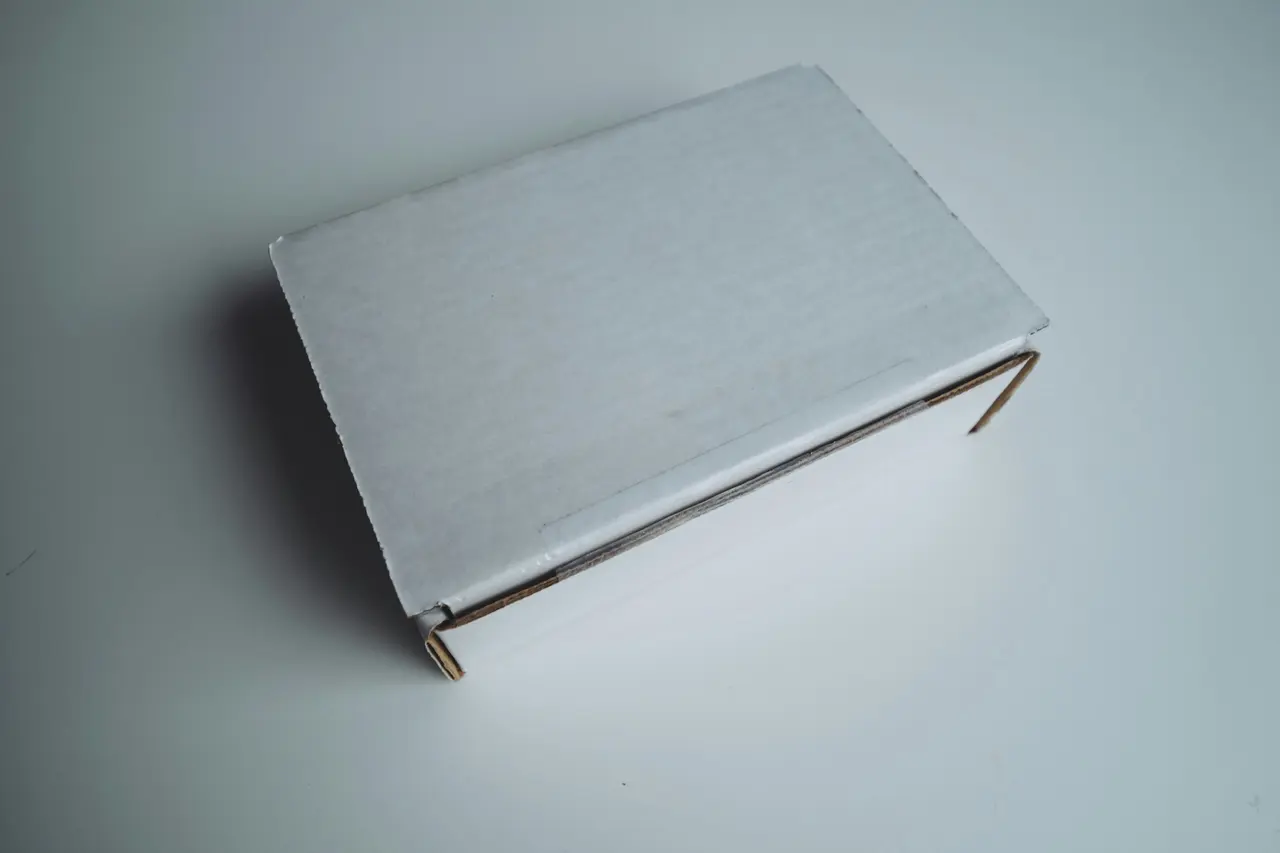
Packaging is not an afterthought. It protects the product, carries your brand and decides how smoothly goods move through the warehouse. Treat it as part of the product specification from day one.
In short
- Approve packaging structure and artwork with the same care as the product.
- Ask for a physical sample and confirm materials, dimensions, marks and packing quantities.
- Protect artwork, tooling and change records for the whole relationship.
Make the brief measurable
A supplier cannot quote or produce packaging from a mood board. The brief should define the structure, dimensions, material, board or film, finish, artwork, inserts, carton configuration, labels and acceptable variation, plus how the packaging will be checked before mass production.
The path from sample to production
- Send a controlled brief to qualified suppliers.
- Review a physical sample for fit, print, finish, strength and packing efficiency.
- Approve artwork and structural changes in writing.
- Inspect the first production run and keep the approved sample as a reference.
Keep two linked approvals: structure (pack dimensions, product fit, material, closures, inserts, carton arrangement) and artwork (file, version, print location, colors, text, destination variant). A beautiful proof can't show that the pack protects the product or fits the warehouse process. Also ask if the sample was made with the same method as the commercial run: if not, note what it can and cannot prove.
An approval register
- Identity: product SKU, pack SKU, revision, destination, supplier and approval owner, linked to the purchase order.
- Fit: product dimensions, protection, assembled pack size and how fit is checked.
- Print: source file, proof date, approved reference and how print differences are judged.
- Handling: units per carton, variant separation, labels, carton size and how the receiving team identifies them.
- Costs: sample, setup, tooling, print, assembly, storage and unit costs separately, and who owns surplus packaging.
Test the whole pack
Put the approved product inside the proposed packaging and check movement, closure, accessory placement, label readability and whether the product comes out without damage. Use the real carton configuration where you can: a flat proof and an empty box don't reveal every problem.
Requirements vary. A Spain distributor might want a specific carton label to reconcile receipts, and a Japan buyer might need different artwork for different retail programs. Get these in writing and say who approves the final version for each destination.
Late changes and leftover stock
If you change an insert after approval, find out what has been bought or printed, what can be modified and which order brings the new version. Compare rework cost with the cost of using the old stock, and keep the old version identifiable meanwhile.
Send one change notice to the product supplier, the packaging supplier, the inspector and the packing facility, and ask each to acknowledge. Update the inspection reference and carton instructions together, otherwise procurement thinks the new version is out while the warehouse still uses the old one.
Keep continuity across orders
Record who owns and may use the artwork, dies, plates and molds, where they are held and how you get your records back if you change supplier. Get legal advice for your actual arrangement rather than assuming that paying settles every right.
Give the inspectors the approved pack, the artwork revision and a checklist of observable features, and decide whether color or finish needs a physical reference instead of a screen. After the first shipment, compare packing errors, handling damage and destination feedback with the approved pack. Keep product defects and packaging defects apart so each supplier gets the right correction.
FAQ
Why do I need a physical sample?
Digital artwork may hide structural, material, color, finish or fit problems. A physical sample gives purchasing and QC the same reference.
Who owns the packaging artwork and tooling?
It depends on your commercial and legal agreement. Define permitted use, access, tooling custody and supplier reuse before production.
Can Fishgoo source custom packaging?
Yes, we can help coordinate sourcing and packaging workflows. Confirm the exact packaging, QC and warehouse scope for your project.
Keep reading
 Sourcing & suppliers
How to find a reliable supplier in China (and avoid the usual traps)
A practical checklist to shortlist, verify and test Chinese suppliers before you place your first real order.
Read article Sourcing & suppliers
How to negotiate MOQ in China and build a first order that works
A supplier's minimum order is not a fixed rule. Learn what sets it, what you can change, and how to compare a pilot order with the full MOQ.
Read article Sourcing & suppliers
Private label in China: how to launch your brand without losing control
Putting your logo on a product is the easy part. Define the brief, protect your designs and approve the first batch with evidence.
Read article