
How much does shipping from China to the US cost?
Rough price ranges for air, sea and express, what drives the cost, how to calculate landed cost and how to reduce it.
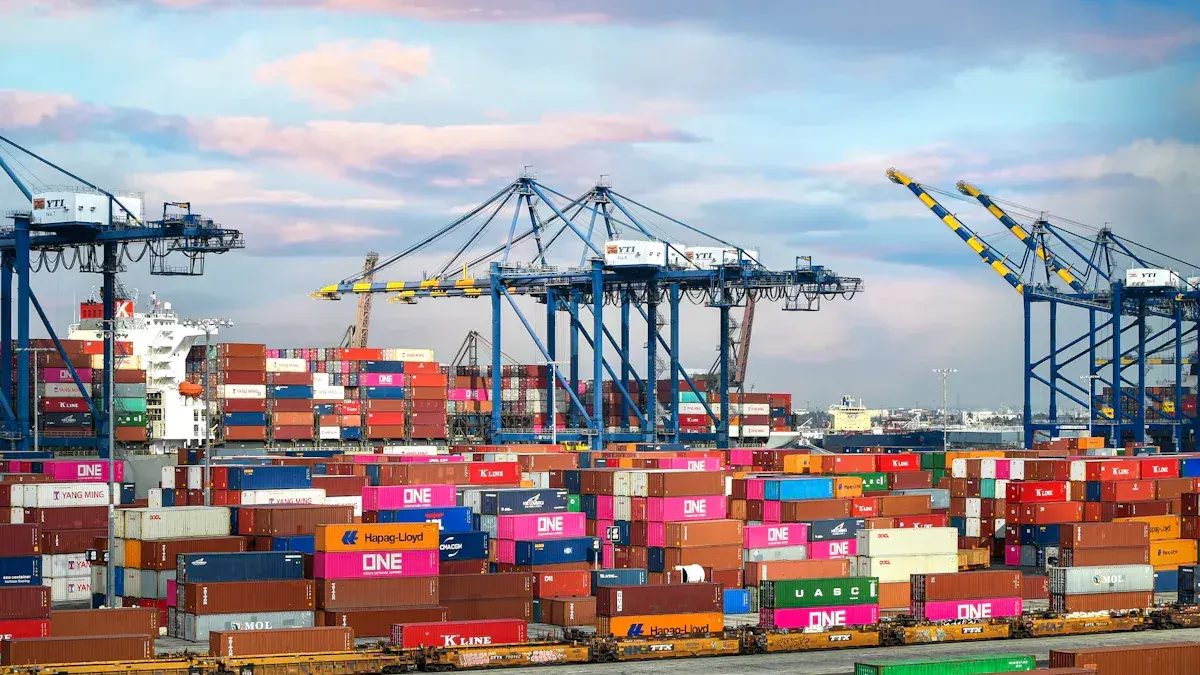
How much shipping costs from China to the US depends mostly on the method, the size and weight of your cargo and the route. Knowing the ballpark helps you plan margins and avoid surprises. Treat every number below as a rough reference: rates move with demand, fuel, season and trade rules, so always get a current quote for your exact cargo.
In short
- Air and express are fast and cost more; sea freight is slower and cheaper for volume.
- What you pay is based on chargeable weight: the larger of actual and volumetric weight.
- Consolidating shipments and optimizing packaging are the easiest ways to cut cost.
- Always add duties, tariffs and fees to your total, because they can change the final cost a lot.
Typical cost ranges (indicative)
| Method | Typical range | Typical time |
|---|---|---|
| Air freight | About $3–7 per kg | 3–7 days |
| Express (DHL, FedEx, UPS) | About $6–12 per kg, for small parcels | 3–5 days |
| Sea freight, LCL (shared container) | About $150–250 per cubic meter | 20–40 days |
| Sea freight, FCL (full container) | About $2,500–6,000 per container | 20–40 days |
Air rates were much lower before the pandemic, spiked in 2020 and have since settled, but remain above the old level. Air works best for small, valuable or urgent cargo; sea is the usual choice for large or heavy shipments, and express suits small parcels and urgent orders.
What moves sea freight prices: peak and off-peak demand, container availability, fuel surcharges, peak-season surcharges, port fees, carrier capacity and even weather, regulations and exchange rates. Plan ahead when you can.
For express, the cheapest courier changes with the weight tier (DHL often wins on the lightest parcels, UPS or FedEx on heavier ones), so compare for your exact weight.
What affects the price
Method and route. Air costs more but is faster; ocean is slower and cheaper for bulk. The port you use also matters: some Chinese ports offer lower handling fees or more frequent sailings, and booking early or combining shipments saves money.
Size and weight. Carriers charge the higher of actual and volumetric weight (length × width × height in cm ÷ 5000 for air and express). A large but light box costs more than its weight suggests. Smaller, lighter shipments go by express or air; larger shipments (roughly 500 kg and up) usually make sense by sea. Better packaging reduces dimensional weight.
Tariffs, duties and fees. These depend on your product and its value, and they change. To estimate: find your product's HTS code, check for any additional tariffs that apply to goods from China, and apply the rate to your shipment value. Verify current rates with a customs broker, since trade rules change often and customs checks can also add time.
Your provider. An integrated provider that handles purchasing, quality checks, warehousing and consolidation can help you avoid surprises. We combine shipments from different suppliers, can repack to reduce dimensional weight and protect fragile items, and ship worldwide.
How to calculate your cost
- Pick the method based on speed, budget and what you're shipping.
- Measure the shipment: actual weight, dimensions and the resulting chargeable weight.
- Request quotes from several providers, with correct cargo data and all fees included.
- Add duties and taxes using your product's HS code and value.
- Work out landed cost per item: product cost + freight + duties and taxes + insurance and brokerage.
How to lower the cost
Consolidate. Combine many small shipments into one larger one. With sea freight, LCL lets you share a container with other importers and avoid paying for empty space.
Optimize packaging. Packaging changes can cut volume and weight a lot, as long as the product stays protected: flat-pack or knock-down structures, removing unnecessary inserts, lighter but strong board, eliminating extra master cartons and designing dimensions to avoid oversize charges.
Negotiate and time it. Compare quotes from several providers, ask about discounts for regular or bigger volumes, choose the right Incoterms and time your shipments around seasonal rate cycles. Third-party logistics providers can sometimes get better sea rates by combining many clients' cargo.
Store until you have a full load. A warehouse in China lets you collect goods from several suppliers and send them together.
FAQ
How long does shipping from China to the US usually take?
Air freight is typically 3–7 days, express 3–5 days and sea freight 20–40 days, depending on method and route.
What documents do I need?
A commercial invoice, packing list and bill of lading, plus any extra documents customs requests for your product.
Can you handle customs clearance and duties?
We can arrange shipping options including DDP, where duties and taxes are included in the quote. Confirm the exact scope for your shipment before booking.
Keep reading
 Shipping & customs
How to cut China freight costs without hurting your service
The cheapest carrier is rarely the cheapest shipment. Start with accurate cargo data, consolidation and packaging, then compare total landed cost.
Read article Shipping & customs
Shipping from China to Spain: DDP, customs and delivery, step by step
Plan China-to-Spain shipping as an import operation. What to define before quoting, how DDP compares and how to close each shipment.
Read article Shipping & customs
Shipping from China to Japan: speed, cost and service
Fast transit is not a shipping plan. Choose by receiving date, compare the full route and prepare documents before the cargo leaves.
Read article