
Product samples from China: from brief to approval
A sample is the gate before mass production. Define what it must prove, record every deviation and keep the approved version as your reference.
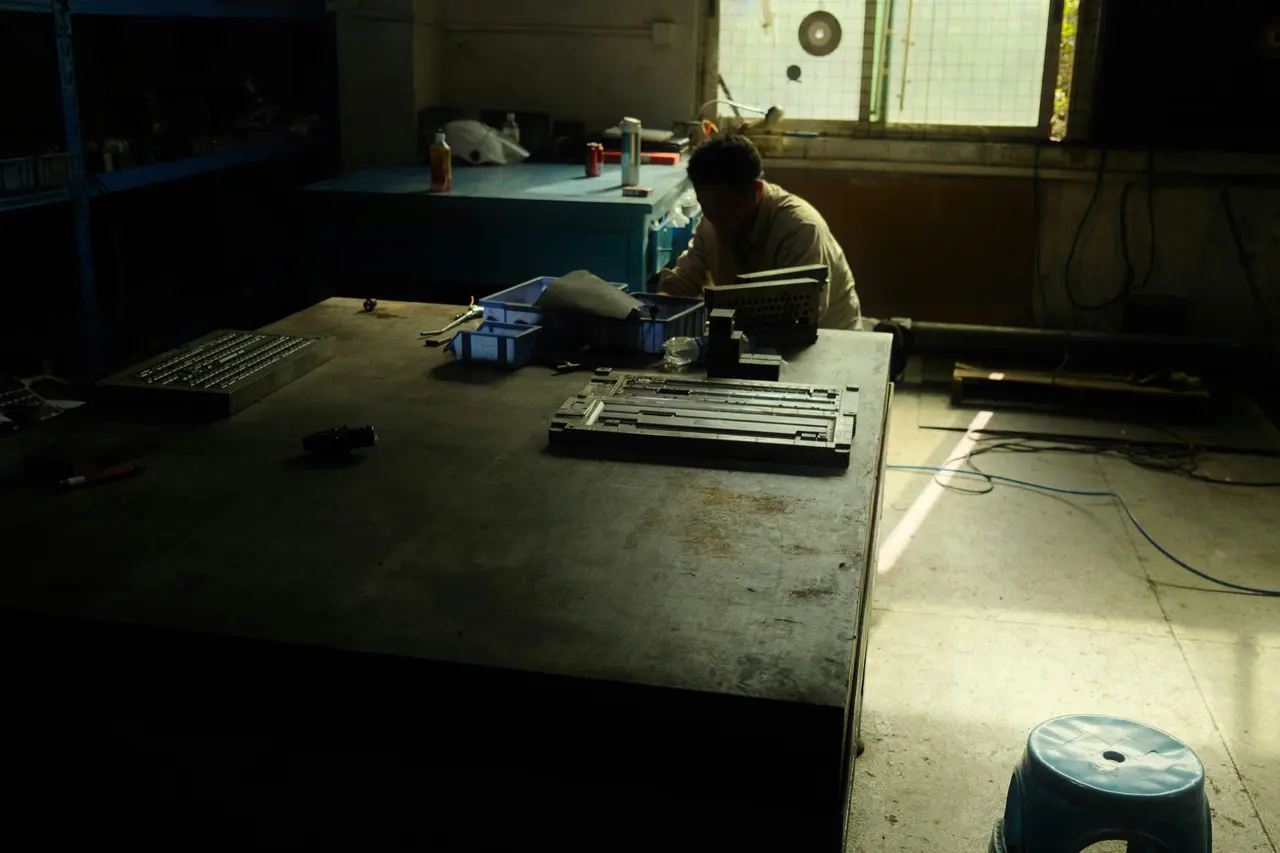
A sample is not just a way to see if the product looks good. It is the last gate before you put real money into production. It should show that the supplier understood your brief and can deliver it.
In short
- Define the sample against a written brief.
- Record every deviation, requested change and approval decision.
- Keep the approved sample as the reference for production and inspection.
Decide what each sample must answer
Before ordering, be clear about the goal: screening a supplier, developing a design, testing packaging or approving pre-production. A catalog sample proves an existing product, but not the custom material or packaging you plan to order.
Write down the version, material, dimensions, function, finish, accessories and packaging you asked for, plus a list of questions the supplier cannot answer yet. Agree whether they may propose alternatives and how those must be labeled. An unrecorded substitute makes a good sample misleading.
Ask the supplier what will be different in mass production (handmade samples often are).
From sample to purchase order
- Issue a sample brief with a version number.
- Inspect and record measurements, photos, tests, packaging and deviations.
- Send one consolidated list of changes to the supplier.
- Approve the final version and link it to the purchase order and the inspection plan.
An evaluation sheet you can reuse
- Reference: supplier, sample number, brief revision, date received and the project it belongs to.
- Checks: for each key requirement, the method, required condition, result and evidence.
- Deviations: mark each as unacceptable, acceptable with conditions or needing more information, and name who decides.
- Actions: one correction list with the evidence needed to close each point.
- Approval: the approved version, remaining limits, production checks required and where the reference sample is kept.
Send annotated photos, measurements and numbered comments together, and ask the supplier to answer each item. "We will fix everything" tells you nothing about which material, dimension or assembly will change. Also ask if the fix affects cost, lead time or tooling.
An example: a storage box has the right dimensions but the lid doesn't close properly. Define the function and the test with your technical reviewer instead of just asking for a "tighter lid", then compare the revised sample with the original sheet.
Sample approval is not release
A product can pass the sample and still have open commercial conditions. Before bulk production, confirm production materials, packaging versions, quantity, quality checks, documents and delivery scope. Have the Spain or Japan team review the actual product and its distribution requirements. A sample does not replace product-specific compliance work: for Japan, the Japan Customs import procedures are an official starting point.
Keep the reference alive
Decide who holds the physical sample and who gets the photos and specs. Mark it so it can't be mixed up with earlier or rejected versions, and link it to the purchase order and the inspector's brief. If the product changes later, issue a revision rather than quietly replacing a file.
Keep rejected samples identifiable for a while, with the decision marked on them, so nobody reuses one as a reference. When the first production lot arrives, compare it with the approved baseline and note anything the sampling failed to catch.
FAQ
How many samples should I order?
Enough to see product variation and cover the inspection risk. It depends on complexity, supplier confidence and the decision at stake.
Does a sample guarantee mass-production quality?
No. It's an approval gate, not a guarantee. Connect it to production instructions and later inspection checkpoints.
What if the supplier changes the product after approval?
Pause, record the change, update the spec and require your written decision before production continues.
Keep reading
 Quality control
What to do after a failed pre-shipment inspection
A failed inspection is a decision point. Hold the goods, classify the defects, get a real corrective action and release only with evidence.
Read article Quality control
How to write a product specification sheet for Chinese manufacturers
A spec sheet turns an idea into measurable requirements for quoting, sampling, production and inspection. What to include and how to control revisions.
Read article Quality control
How to reduce returns from the source: sourcing, QC and fulfillment
Many returns start upstream. Classify the cause, connect each one to a control and measure results by shipment cohort.
Read article