
How to write a product specification sheet for Chinese manufacturers
A spec sheet turns an idea into measurable requirements for quoting, sampling, production and inspection. What to include and how to control revisions.
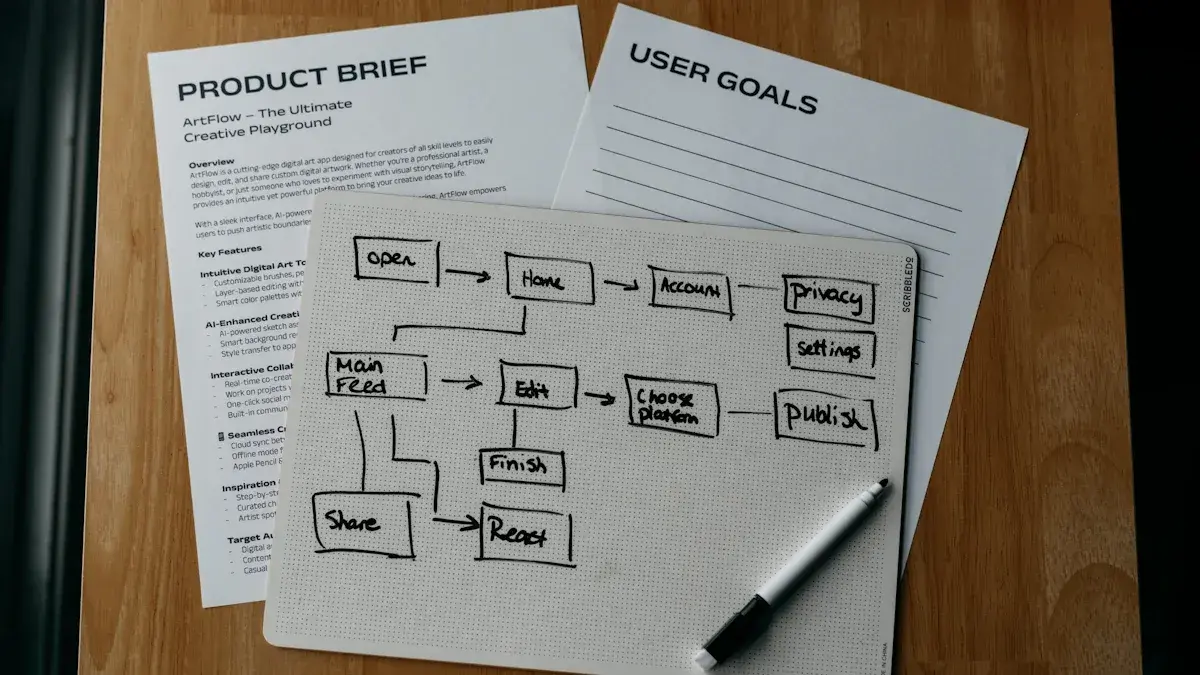
A product specification sheet is the control document between you and the supplier. It turns an idea into requirements everyone can measure: for quoting, sampling, production, inspection, packaging and shipping. Without one, you can approve a sample and still receive a batch built on a different interpretation.
In short
- Write requirements so the supplier and the inspector measure them the same way.
- Give every version a revision number and an approval owner.
- Reuse the sheet in sampling, production, inspection and receiving.
What it should contain
| Section | Typical content | Why it matters |
|---|---|---|
| Identity | SKU, name, version, intended use, reference images | Everyone works on the same product |
| Dimensions and materials | Measurements, tolerances, material grade, weight, color, finish | Creates inspectable criteria |
| Function and performance | Output, capacity, operating conditions, test method, definition of failure | Connects the promise to QC |
| Packaging and labeling | Unit pack, carton, inserts, marks, barcode, destination instructions | Protects warehouse and delivery accuracy |
| Commercial controls | MOQ, sample, tooling, lead time, inspection, approval, change process | Aligns the quote and the plan |
Don't bury critical requirements in chat messages. Keep them in the controlled document and link every supplier, sample and inspection record to the same version.
Make requirements measurable
Replace vague words with conditions you can check:
- Not "blue": a color reference or approved sample.
- Not "strong": a test condition or load requirement.
- Not "good packaging": materials, dimensions, protection or drop requirements and carton marks.
- Not "fast delivery": the milestone that starts the lead time and the required receiving date.
"Premium material" isn't an acceptance criterion; the material, grade, thickness, finish or reference sample is. For a storage container, "lid fits well" is incomplete: name the matching container and lid versions, the fit test, the conditions and the defect that fails it. The product owner and a technical reviewer choose the real values, so don't copy an arbitrary tolerance from a template just because it looks precise. And check the supplier can actually perform the measurement consistently.
For Spain or Japan, keep any labeling or documentation requirements that need local confirmation in a separate, reviewed section.
A requirement register next to the sample
A sample is great evidence, but it doesn't describe everything. Number the important characteristics and connect each to the sample, drawing or written method, and settle conflicts before production so the factory doesn't decide whether the photo or the dimension table wins.
- Identity: SKU, version, material description and approved variants.
- Requirement: a characteristic the supplier can confirm and an inspector can check.
- Evidence: measurement, test result, photo or approved reference sample.
- Decision: acceptance condition and who may approve a deviation.
- Revision: when it changed and which lots use the new version.
Treat packaging as a controlled requirement too: unit packs, carton quantities, variant identification, inserts and warehouse labels.
Control revisions from sample to mass production
- Issue the brief with a revision number.
- Record supplier questions and agreed answers.
- Attach sample photos, measurements, tests and approval notes.
- Update the sheet after every approved change.
- Send the final version to purchasing, supplier, inspector, warehouse and fulfillment.
If the approved sample isn't reconnected to the production specification, the sample never controlled the order. Say you change the carton quantity after approving the sample: record the request, reason, affected SKU, effective lot and cost or timing impact, ask whether it changes labels, pallets or the inspection plan, approve the revision first, mark the old one superseded and tell the inspector which lot uses which version.
After the first shipment, compare what receiving could verify with the sheet, and turn the findings into a proposed revision. Keep corrections separate from optional improvements so a repeat order doesn't quietly become a new design.
FAQ
Who should own the spec sheet?
You, the importer or brand. Suppliers, inspectors and partners contribute technical information, but you control approval and revisions.
Can a product page replace a spec sheet?
Usually not. A product page helps early research but rarely has the measurements, tolerances, packaging, tests and change rules production needs.
When should I update it?
Whenever a material, dimension, function, packaging, label, quantity or acceptance criterion changes, with approval before it reaches production.
Keep reading
 Quality control
Product samples from China: from brief to approval
A sample is the gate before mass production. Define what it must prove, record every deviation and keep the approved version as your reference.
Read article Quality control
What to do after a failed pre-shipment inspection
A failed inspection is a decision point. Hold the goods, classify the defects, get a real corrective action and release only with evidence.
Read article Quality control
How to reduce returns from the source: sourcing, QC and fulfillment
Many returns start upstream. Classify the cause, connect each one to a control and measure results by shipment cohort.
Read article