
How to start a profitable dropshipping business in 2026
Dropshipping is no longer about finding cheap products. It's about a reliable supply chain: sourcing, quality, shipping and a fulfillment partner.
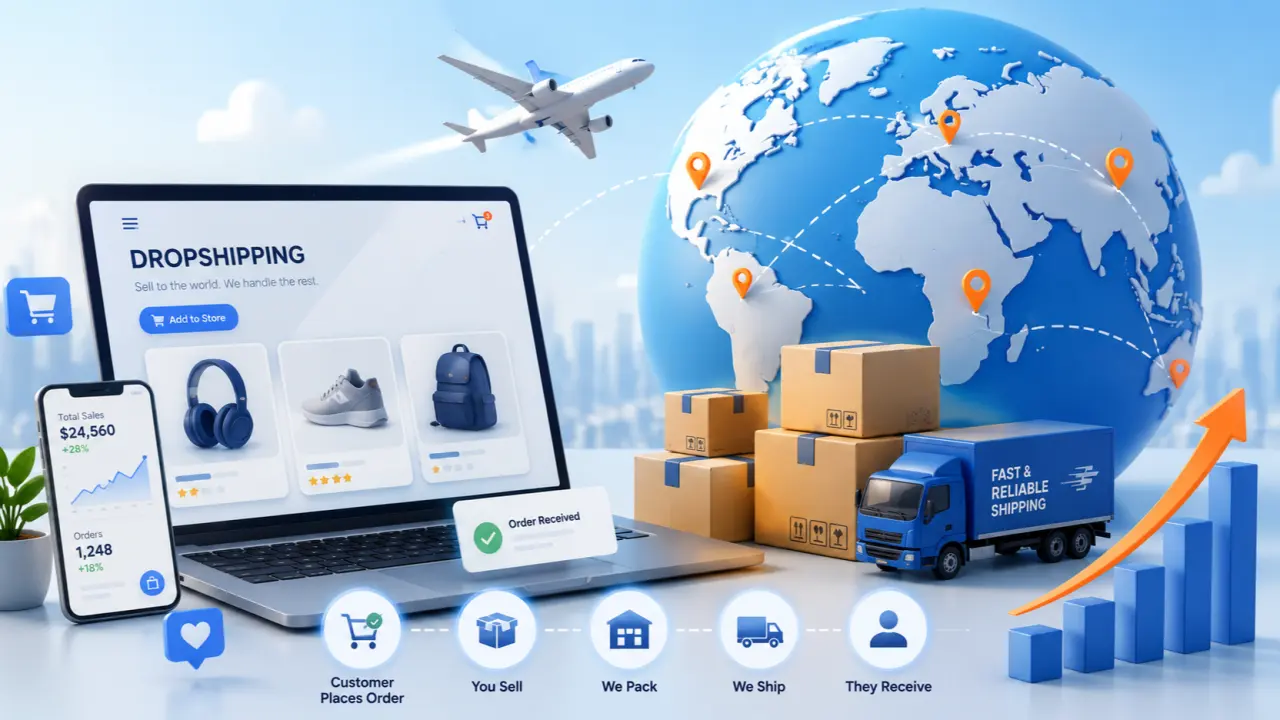
Dropshipping has changed fast. In 2026, success isn't about finding cheap products. It's about building a reliable, scalable supply chain that moves as fast as the market. Launching a store is easy now. The real challenges are:
- Unstable suppliers.
- Slow shipping.
- Poor product quality.
- Inconsistent inventory.
- Rising logistics costs.
The good news: with the right fulfillment partner and workflow, dropshipping is still one of the lowest-risk ways to build a global ecommerce business.
What is dropshipping?
You market and sell products online without holding inventory yourself. A customer places an order, the supplier or a fulfillment partner ships it directly to them and you focus on marketing, branding and growth. That lets you launch quickly, test products with low risk and scale without a large upfront inventory investment.
Why most dropshipping stores fail
Many beginners rely on random suppliers, manual order processing, unstable shipping lines and no quality control. As order volume grows, the problems appear: delayed shipments, inconsistent products, high refund rates and customer complaints. The real bottleneck is usually not marketing. It's fulfillment.
The new era
Modern dropshipping is more automated, more brand-focused and more logistics-driven. Winning sellers focus on reliable sourcing, faster shipping, a better customer experience and long-term brand building. That is where integrated fulfillment becomes critical.
How we help sellers scale
Instead of juggling multiple suppliers and shipping agents, you work through one system.
1. Link-based sourcing. Send us Taobao, 1688 or Alibaba links, or product images and specifications. We handle supplier communication, price negotiation, multi-supplier management and factory sourcing, which gives you better pricing, lower MOQs and more stable supply.
2. Warehousing and inventory. We operate warehouses in mainland China and in Spain (over 6,000 m² in total), so you can consolidate inventory, fulfill faster and deliver more efficiently in the EU. We also provide inventory tracking and batch management.
3. Quality inspection and packaging. Quality is one of the biggest problems in dropshipping. We offer product inspection with HD photos, photo and video verification and supplier audits. Packaging options include waterproof and shockproof packaging, corner protection, fragile-item reinforcement and vacuum packaging, plus branding labels, hanging tags and custom inserts.
4. Global logistics and fulfillment. We ship to 180+ countries and regions with DDP, air freight, sea freight and hybrid solutions, and we can integrate with Shopify and other ecommerce platforms so orders are processed and shipped automatically after purchase.
How the workflow works
- Submit a product: a link, image or specification.
- Receive a quote for sourcing and shipping.
- Store inventory: products are consolidated and stored in the warehouse.
- Start selling on Shopify, TikTok Shop or marketplaces.
- Auto fulfillment: orders are packed, processed and shipped worldwide.
Advantages of modern dropshipping
- Low startup risk: no large inventory investment.
- Flexible MOQ: test products before scaling.
- Faster global shipping: integrated logistics improve delivery speed.
- Branding opportunities: private label and custom packaging are supported.
- Scalable operations: automation reduces complexity.
Final thoughts
The future of dropshipping isn't about finding random products. It's about building reliable fulfillment, efficient logistics, strong supplier systems and better customer experiences. The sellers who optimize operations, not just advertising, will scale the fastest in 2026 and beyond.
Keep reading
 Ecommerce & dropshipping
Dropshipping in 2026: what actually moves the needle
No course, no guru talk. What matters when building a dropshipping business today: product, economics, your page, creatives and how to scale.
Read article Ecommerce & dropshipping
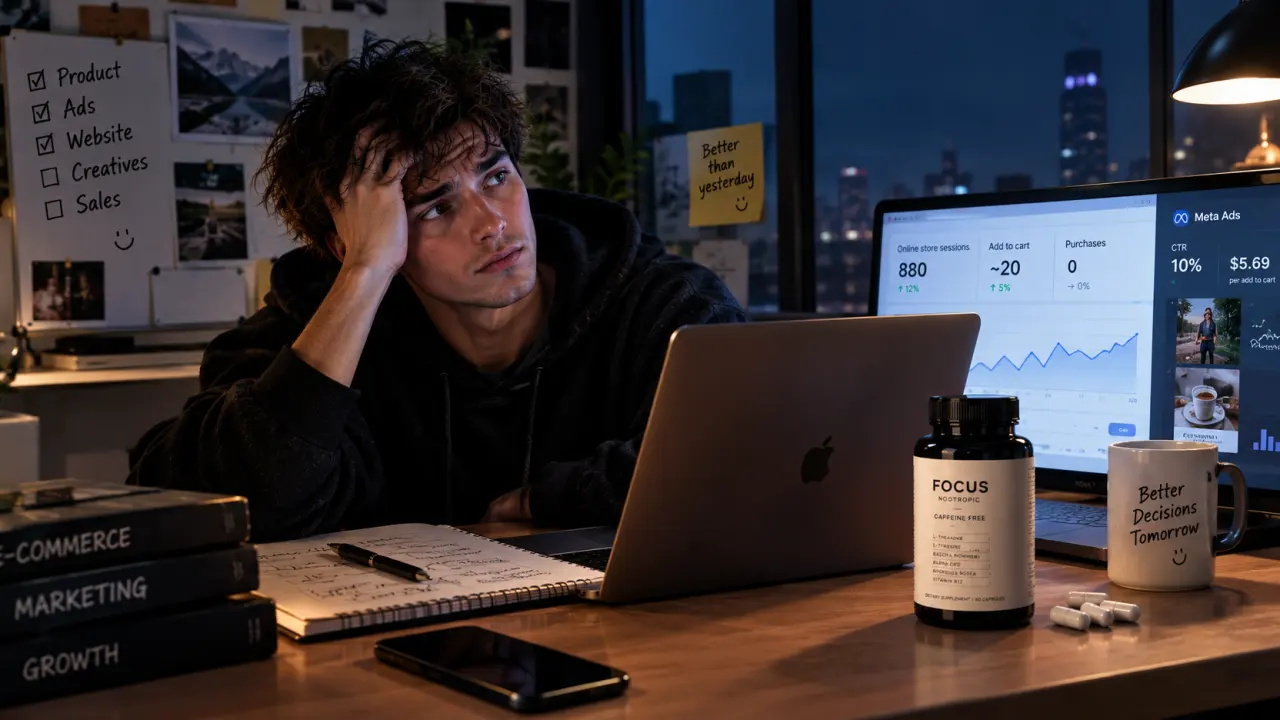
I spent $3K on Meta and people still aren't buying
A solo founder's story: great CTR, add-to-carts and zero purchases. Three suspects for where the funnel breaks, and what to test next.
Read article Ecommerce & dropshipping
When dropshipping turns into a supply chain operation
Repeat demand, more SKUs and quality complaints mean you need more than a product feed. The signals, the stages and what to control first.
Read article