
Shopify fulfillment from China: what has to happen behind each order
Your store promises a delivery date. This is the order flow, daily checks and stock rules that let your China fulfillment keep that promise.
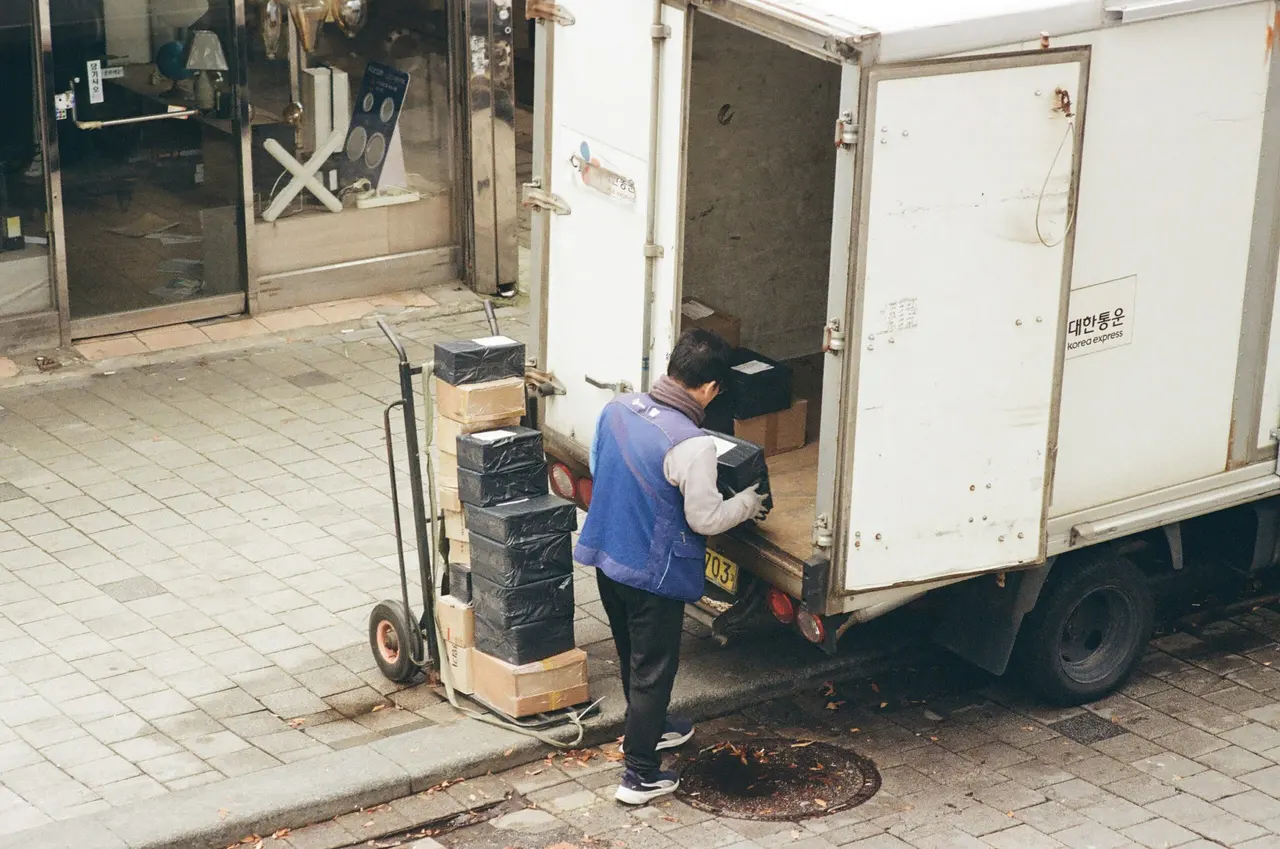
The Shopify storefront is the easy part. Behind each order there is an operation: clean product data, stock you can trust, picking, packing, shipping, returns and a plan for when something goes wrong. If that chain is weak, your delivery promise is just a guess.
In short
- Connect Shopify orders to a controlled stock and fulfillment process.
- Decide who is responsible for the China warehouse, carrier, quality checks and exceptions.
- Use the order data to improve your reordering and market decisions.
The path of one order
Each order should be visible from sale to dispatch: order received, stock reserved, item picked, packing checked, shipment booked, tracking updated, problem solved. If you buy from several suppliers, add receiving, inspection and consolidation before all that.
To set it up in stages:
- Clean your SKU, package and stock data before connecting anything.
- Define how orders are routed and which states count as an exception.
- Test receiving, quality checks, packing, tracking and returns with real orders.
- Review accuracy, stockouts, delivery times, damage and cost by market.
A status in Shopify should match a real event in the warehouse, not just a message between two systems. Ask your fulfillment app or provider exactly which physical event triggers "fulfilled".
A daily release checklist
- Order: order number, market, recipient, SKU, variant, quantity and packing instructions are correct.
- Stock: the units exist at that location and are not damaged, on hold or already allocated.
- Exceptions: address changes, unsupported routes, substitutions, split orders and missing data are handled before release.
- Packing: right product version, inserts, labels and parcel setup.
- Dispatch: the parcel, the carrier handoff, the tracking number and the order status all match.
What happens when things don't match
Split orders. If an order has two products and only one is available, apply a fixed rule: hold it, split it or contact the customer. The warehouse should never invent a substitution to clear the queue.
Phantom stock. If the system shows units the picker cannot find, stop releasing that stock and check the location, recent movements and reservations. A promise that "it arrives tomorrow" is not a counted unit ready to pack.
Changes after release. Decide the last moment when an address or quantity can still change. Ask the warehouse to confirm before telling the customer it worked. After the carrier has the parcel, it may be too late.
For Spain and Japan orders, keep the market's own address, product information and packing rules in the product or route record, where the team can find them. Don't depend on one person's memory.
Reconcile and handle returns
Review orders that stopped moving and decide the next action. Separate label created, packed, accepted by the carrier and delivered, so you can spot a "fulfilled" order that never really left.
Keep returned goods unavailable until someone checks their condition. Record whether the item can be resold, repacked, repaired or held for a claim. Receiving a return and being able to sell it again are two different events.
FAQ
Can Shopify handle China fulfillment automatically?
Shopify gives you the orders and the storefront. Sourcing, quality control, stock, shipping, customs and returns still need a process or a partner.
What if the store sells a product that is out of stock?
Use stock controls, a safety buffer, backorder rules and an exception process, so your promise doesn't depend on an inaccurate number.
What should I test before launch?
SKU mapping, stock reservation, order routing, packing, tracking, address exceptions, cancellations and returns.
Keep reading
 Operations & inventory
Short-video sales spikes: how to keep your supply chain ahead of demand
A video can sell out your stock in a weekend. Here is how to share inventory across channels and set limits before a campaign goes live.
Read article Operations & inventory
TikTok Shop: set your stock and packing limits before you promote
TikTok Shop can multiply orders overnight. Use a simple go/no-go checklist so stock, quality and packing keep up with the campaign.
Read article Operations & inventory
Seasonal inventory planning: work backwards from the date you need stock
Ordering when sales are already rising is too late. Plan back from your selling date through freight, inspection and production, and prepare an exit plan.
Read article