
TikTok Shop: set your stock and packing limits before you promote
TikTok Shop can multiply orders overnight. Use a simple go/no-go checklist so stock, quality and packing keep up with the campaign.
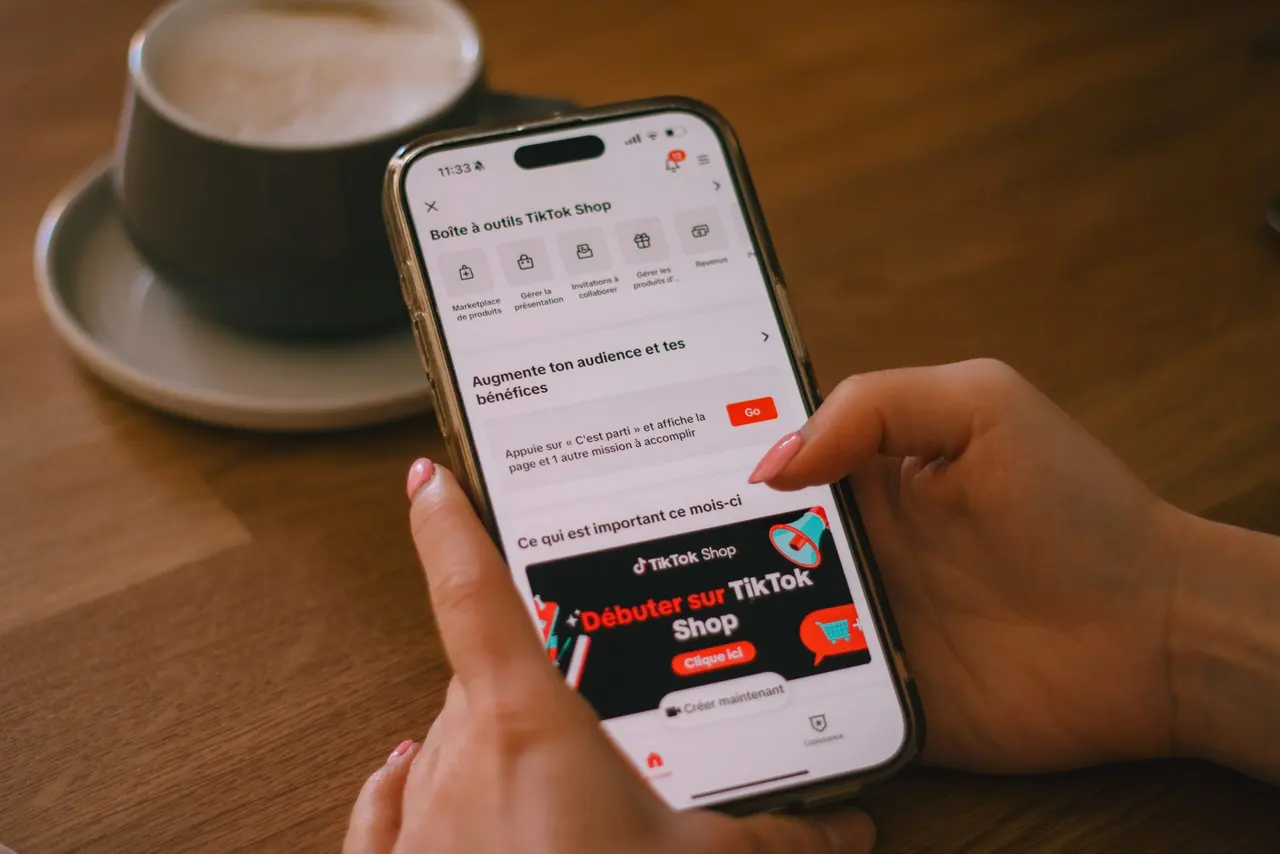
TikTok Shop is a fast sales channel, but it does not replace planning. When a product takes off, your stock, supplier lead time, quality checks, packing, carrier and returns all need to keep up. If one of them breaks, the campaign turns into a pile of late orders.
In short
- Treat TikTok Shop as a demand channel, not as a supply chain.
- Set stock, quality and packing rules before you promote a product.
- Look at sales together with stock and fulfillment numbers.
A go/no-go check before every campaign
Give the campaign owner one readiness record per promoted product. It should say:
- Product: the approved version and quality evidence.
- Stock: accepted units on hand, minus holds and reservations. Count incoming stock only once it has really arrived.
- Capacity: how many orders the warehouse can pack with the people and steps it has.
- Route: which carrier, how the handoff works and what delivery promise you make.
- Stop rule: when you limit the promotion, change availability or pause, and who decides.
- Recovery: where late orders, cancellations, defects and customer questions go.
Marketing's sales target is an input to the plan. It is not proof that the warehouse can deliver it.
Before launching, check current market eligibility and seller requirements in TikTok's own seller resources. Rules change, and Spain and Japan do not have identical policies.
Set a real limit
An invented example: you have 600 accepted units. 150 are committed to other orders and 50 are kept as a buffer. That leaves a campaign allocation of 400 units.
Now suppose your warehouse can only pack fewer than that in the time available. The limit is the lower of the two: stock and packing capacity. Do not solve it by treating supplier stock that is still on its way as available. (These numbers are an example, not a recommended safety stock.)
Agree the stop rule before the spike
Define the signals that trigger a review: stock close to the limit, unresolved packing errors, missing carrier handoffs or a late replenishment. Each signal needs a source of evidence and a person who decides.
Rehearse one scenario: a quality problem appears during a live campaign. Who pauses the listing? Who protects the stock that is still good? Who calls the supplier? Name a backup too, with access to the numbers, so nothing waits on one person's availability.
Review it like an operation
After the campaign, compare what you allocated with orders, cancellations, packed units, dispatch records, returns and remaining stock. Use the same group of orders and the same time window. A campaign still waiting for deliveries cannot be compared with one that is fully closed.
Use what you learn to improve the next campaign's assumptions, packing instructions and supplier plan. Check the actual requirements with your Spain or Japan team rather than assuming.
FAQ
Can TikTok Shop fulfillment be fully outsourced?
You can outsource part or all of the execution, but you still own the product, stock, quality, channel and the promise you make to the customer.
What is the biggest risk during a viral campaign?
Demand grows faster than stock, supplier, inspection, warehouse or carrier capacity. Use go/no-go checks and volume limits.
Should every product be stocked locally?
No. Choose between China stock and local stock based on how sure you are about demand, lead time, cost, service promise and cash flow.
Keep reading
 Operations & inventory
Short-video sales spikes: how to keep your supply chain ahead of demand
A video can sell out your stock in a weekend. Here is how to share inventory across channels and set limits before a campaign goes live.
Read article Operations & inventory
Shopify fulfillment from China: what has to happen behind each order
Your store promises a delivery date. This is the order flow, daily checks and stock rules that let your China fulfillment keep that promise.
Read article Operations & inventory
Seasonal inventory planning: work backwards from the date you need stock
Ordering when sales are already rising is too late. Plan back from your selling date through freight, inspection and production, and prepare an exit plan.
Read article