
Pre-shipment inspection in China: what it is and why it matters
A final check of your goods before they leave the factory: what inspectors verify, how AQL sampling works and how to choose an inspection provider.
A pre-shipment inspection (PSI) is a check of your goods before they leave the factory. An inspector verifies quality, quantity, packaging and labels against your order and your specifications, so you find problems while the goods are still in China and the supplier can still fix them.
If you skip it, you risk customs delays and higher costs, fines for breaking rules, customer complaints from bad products, financial losses from returns or recalls and damage to relationships with partners.
In short
- Pre-shipment inspections stop expensive errors by checking quality early.
- They lower risks like customs delays, fines and complaints.
- A report (and certificate, where applicable) shows your goods meet your requirements and makes buyers trust you more.
- A trusted inspection service makes communication with suppliers easier.
What it is and who needs it
The main purpose is early detection: finding defects and rule problems before shipping, which saves the cost of returns, repairs and recalls, makes customers happier and reduces the chance of breaking standards.
Whether it's legally required depends on the product and the destination country: some countries and industries require inspections or certificates for certain goods, and your contract may require one too. Even when it isn't required, it's a sensible step for most buyers. It's used on all kinds of goods: softlines (clothing, textiles, shoes), electronics and electrical items, hardlines (tools, hardware, home goods), industrial equipment, plus related services like factory assessment and loading supervision.
The process
1. Planning and scheduling. Check that production is around 80% complete (and packed) so most items can be inspected, count the goods against your order and agree a date. Good planning avoids delays.
2. Sampling. Inspectors use random samples based on AQL (Acceptable Quality Limit), following ISO 2859-1. They pull items from packed cartons, and how many depends on the lot size. They look for defects, check dimensions and test that products work and are safe.
3. Packaging and labeling. They check materials, barcodes, safety marks, manuals and legal labels, and any certifications you need, such as CE, FCC or RoHS. That helps you avoid customs trouble.
4. Report and follow-up. You receive a report on quality, quantity, packaging and labels, usually with photos and test results, and you may also get related documents such as the order, packing list, invoice, bill of lading and certificate of origin. If there are problems, you ask the supplier to fix them before shipping. Feedback also builds a better relationship.
Why it matters
- Quality and compliance: finds defects, confirms the goods match your order and meet quality and legal rules.
- Risk and cost: with a report you can accept or reject a shipment, saving money on returns and unhappy buyers. Regular checks also keep suppliers' quality up.
- Customer satisfaction: your customers get what they expect and your brand stays strong.
- Smooth supply chain: checking quantities helps shipping and inventory.
Our inspection services
We offer full inspection (every item, for high-value or sensitive orders) and sampling inspection (for frequent or repeat orders), along with an account manager who helps you communicate with suppliers and manage orders. We connect sourcing, quality inspection, warehousing and worldwide shipping, and send photos of your goods before they ship.
How to choose an inspection provider
- Network coverage: inspectors in the main manufacturing hubs for fast service.
- Product expertise: experience in your product type.
- Certifications and reputation: certified provider with positive reviews.
- Service breadth: all quality control services in one place.
- AQL: proper use of AQL methods.
- Reporting: clear, quick reports.
- Support: responsive, multilingual.
- Pricing: transparent, no hidden fees.
Common challenges
Language barriers, inconsistent standards and tight schedules are the usual ones. To handle them: write down the sizes, materials and tolerances you need, give pictures or samples, make a checklist for each requirement and ask inspectors to repeat your instructions so you know they understood.
Next steps: make a checklist for your product inspections, work together with your inspection partner, update it as you grow, use reports to help your suppliers improve and talk often to solve problems quickly.
FAQ
What is a pre-shipment inspection?
A check of your goods before they leave the factory. Inspectors look for defects, count items and review packaging, so you avoid problems with quality and shipping.
When should I schedule it?
When production is at least about 80% complete, so inspectors can check most items and you still have time to fix issues before shipping.
Who pays for it?
Usually you, the buyer. Some suppliers may offer to cover it, but confirm before you place the order.
What if my goods fail?
You can ask the supplier to fix the problems and request a second inspection. This keeps defective products from reaching your customers.
Do you provide photos or videos?
Yes. We send photos and videos of your products before shipping, so you see exactly what you will receive.
Keep reading
 Quality control
Product samples from China: from brief to approval
A sample is the gate before mass production. Define what it must prove, record every deviation and keep the approved version as your reference.
Read article Quality control
What to do after a failed pre-shipment inspection
A failed inspection is a decision point. Hold the goods, classify the defects, get a real corrective action and release only with evidence.
Read article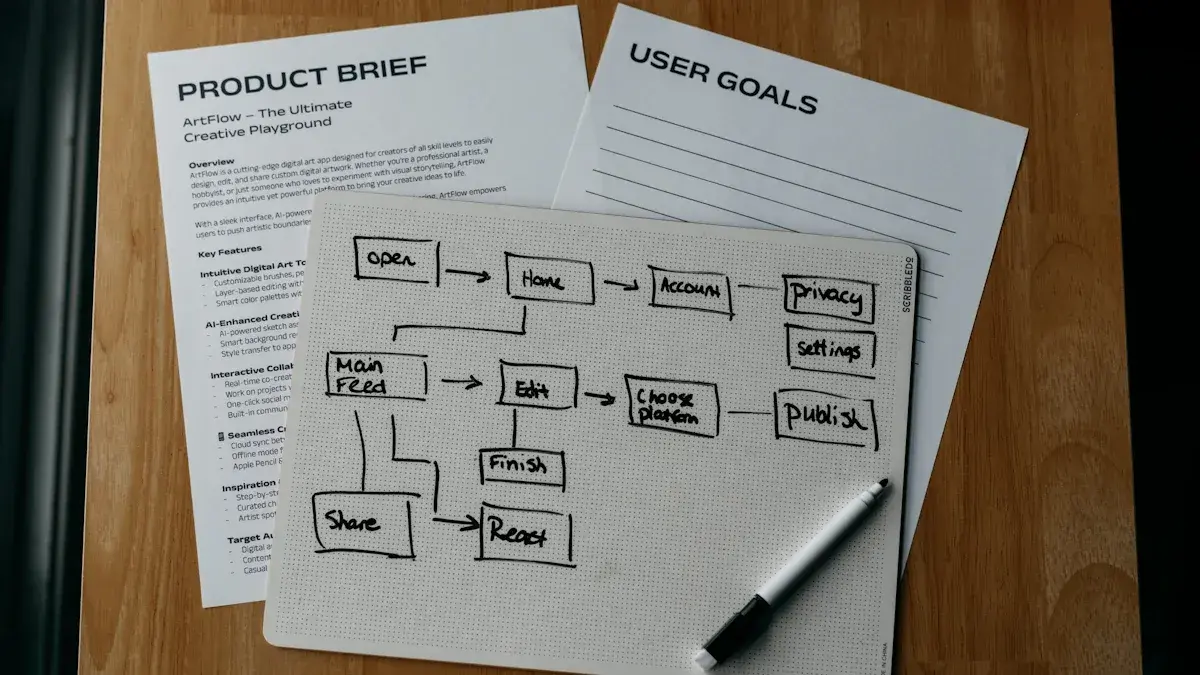 Quality control
How to write a product specification sheet for Chinese manufacturers
A spec sheet turns an idea into measurable requirements for quoting, sampling, production and inspection. What to include and how to control revisions.
Read article