
From 10 to 300 daily orders: how to rebuild your cross-border supply chain
What breaks as order volume grows, and how to fix it with clear goals, better data, automation and a fulfillment setup that scales.
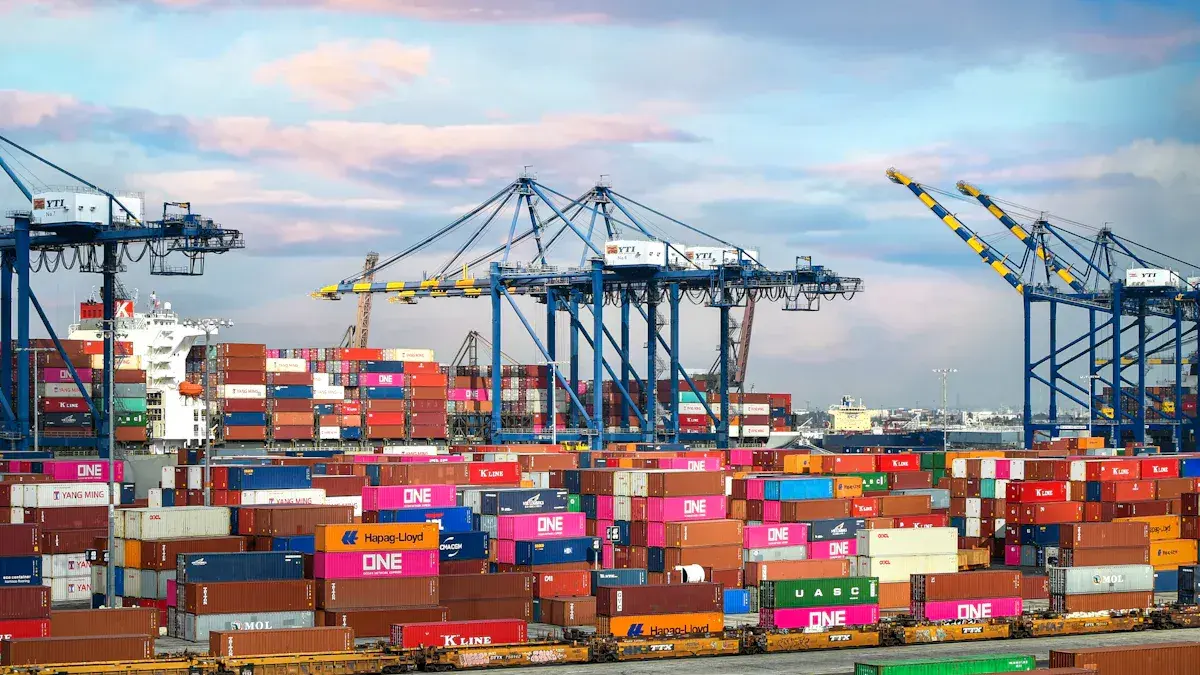
When daily orders go from ten to hundreds, the way you fulfill them has to change. What worked for a handful of parcels (manual entries, one supplier, ad-hoc shipping) starts to break. The brands that grow well rebuild their operation before it fails.
In short
- Find and fix the weak points in your supply chain before they cause delays and errors.
- Set clear goals and watch a few important numbers.
- Automate repetitive work, and give customers fast shipping and easy returns.
What breaks first
Capacity and bottlenecks. Teams that don't share information delay orders. Typing data by hand creates mistakes. Suppliers with limited resources slow the whole chain. And a slow site or confusing product pages cost you sales before an order even exists.
Cost control. More orders mean more duties and more rules to follow. Plan shipping and inventory to keep costs down, and open new fulfillment locations only when you have enough orders to fill them.
Customer experience. Shoppers expect orders to be fast, correct and trackable. If delivery goes badly, many won't buy again. Easy tracking and easy returns build trust.
Complexity. Trade rules and tariffs change often. Without visibility, shipments get lost or delayed. You need the data to see what's happening and fix problems quickly.
Scaling is not the same as growing
Growing means spending more as you earn more. Scaling means earning more without spending proportionally more. That's the goal, and it comes from systems: warehouse software, barcode scanning, clear rules and automation. A well-run operation can handle more orders without hiring at the same pace.
A step-by-step plan
1. Find your limits
Check how long orders take, how many mistakes happen and how often customers complain. Map the process from order to delivery and mark where orders get stuck or need a person. Typical limits: slow shipping, hard-to-reach destinations, supply disruptions and trouble meeting demand.
2. Set goals and KPIs
Track a short list: conversion rate, customer acquisition cost, cart abandonment, customer lifetime value, average order value, and on the operations side order accuracy, on-time delivery and inventory turnover.
3. Automate and use the right partner
Automate the repeated steps: order intake, stock updates, tracking emails. A partner on the China side can handle product sourcing, storage, quality checks and worldwide shipping, so that you can focus on your brand and customers. We work from Shenzhen and Guangzhou, with an office in Madrid.
4. Tidy up inventory and logistics
Connect your store to your stock records, use barcode scanning and clear picking rules, forecast demand so you hold the right amount, and work with reliable carriers that give you several shipping options.
5. See what is happening
Real-time tracking and shared data let everyone check whether orders are right and on time. Better visibility means fewer surprises and lower stock costs.
6. Protect satisfaction and returns
Offer prepaid return labels, write clear return rules in the customer's language, and provide support in more than one language. Fast refunds and simple returns bring customers back and make stock easier to manage.
Keep every channel consistent
Customers should get the same service wherever they buy. Use shared data to check orders, returns and stock across channels, and update product information and prices everywhere at once. Link your store to your fulfillment partner so orders flow out faster and tracking is accurate.
A quick checklist:
- Look at how you work today.
- Set clear goals.
- Use automation with trusted partners.
- Tidy up inventory and shipping.
- Make decisions with data.
- Keep customers happy.
Review your supply chain often and adjust as order volume changes.
FAQ
How can a China-side partner help me scale?
By handling sourcing, storage, quality checks and shipping, so you can add volume without adding the same amount of work on your side.
Can I follow my orders and stock in real time?
That's what you should ask any partner for: current status of orders and inventory, so you can decide quickly and keep customers informed.
What should I fix first?
The step where orders get stuck most often. Measure it before you change anything.
Keep reading
 Operations & inventory
Short-video sales spikes: how to keep your supply chain ahead of demand
A video can sell out your stock in a weekend. Here is how to share inventory across channels and set limits before a campaign goes live.
Read article Operations & inventory
TikTok Shop: set your stock and packing limits before you promote
TikTok Shop can multiply orders overnight. Use a simple go/no-go checklist so stock, quality and packing keep up with the campaign.
Read article Operations & inventory
Shopify fulfillment from China: what has to happen behind each order
Your store promises a delivery date. This is the order flow, daily checks and stock rules that let your China fulfillment keep that promise.
Read article